Our Story
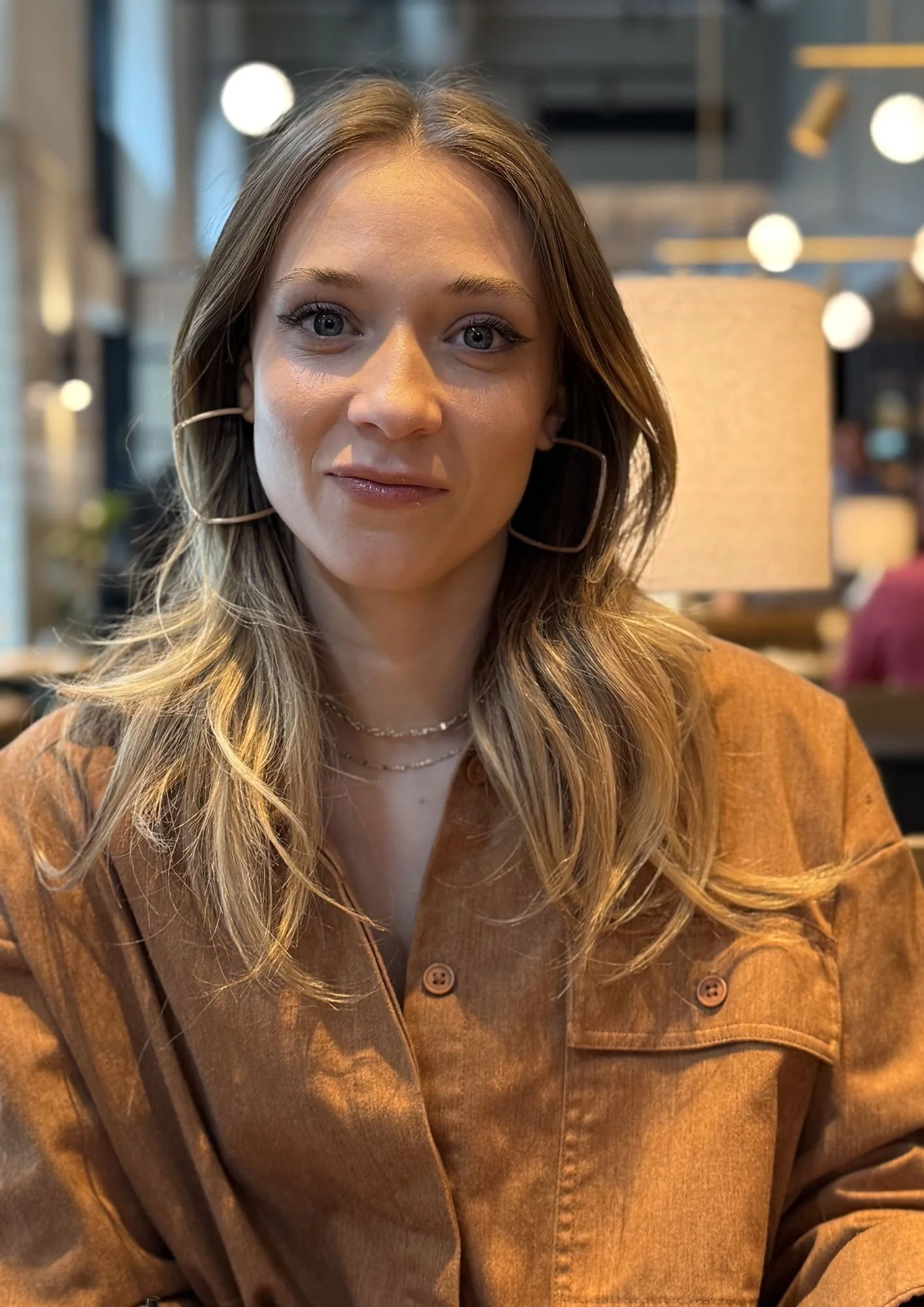
Brooklyn Shumway M.A., BCBA
Founder & Clinical Director
Brooklyn’s journey into behavior analysis began long before she entered a classroom or clinic. Growing up with a father and a brother on the autism spectrum, she witnessed firsthand the challenges of navigating a world that often lacked the language, skills, and tools to truly understand neurodiversity. This early, lived experience ignited a lifelong passion to become the advocate, voice, and support system that neurodivergent individuals and their families deserve.
A Board Certified Behavior Analyst (BCBA) working dedicatedly in the field since 2018, Brooklyn brings nearly a decade of clinical and educational experience to MILA. Her extensive background includes years spent serving in specialized school settings, where she designed intentional, sensory-safe environments and pioneered community-centered activities that allowed students to thrive socially, behaviorally, and academically.
Brooklyn’s clinical philosophy is clear: this work takes absolute passion, resilience, and an unwavering belief in what is possible. She infuses clinical precision with soul, ensuring that therapy at MILA never asks a client to change who they are to succeed. Instead, she is dedicated to building a compassionate, highly skilled ecosystem that celebrates differences, fosters independence, and creates the transformative, full-circle support that alters the trajectory of an entire family’s future.
Why MILA
We created this clinic because we believe that families, neurodivergent individuals, and our community deserve a resource that goes a mile deeper. We want to be a beacon of support—a place where we constantly spread knowledge, actively learn, and grow right alongside our clients.
We aren't here to conform to the status quo of rigid, sterile therapy models. We are here to be different, to be better, and to build an empowering, full-circle ecosystem where you and your child are loved exactly as you are from day one.
UNDERSTANDING ABA
-
What is ABA?
Behavior analysis is the science of behavior, with a history extending back to the early 20th century. Its underlying philosophy is behaviorism, which is based upon the premise that attempting to improve the human condition through behavior change (e.g., education, behavioral health treatment) will be most effective if behavior itself is the primary focus, rather than less tangible concepts such as the mind and willpower. To date, basic behavior-analytic scientists have conducted thousands of studies to identify the laws of behavior; that is, predictable ways in which behavior is learned and how it changes over time. The underlying theme of much of this work has been that behavior is a product of its circumstances, particularly the events that immediately follow the behavior. Applied behavior analysts have been using this information to develop numerous techniques and treatment approaches for analyzing and changing behavior, and ultimately, to improve lives. Because this approach is largely based on behavior and its consequences, the techniques generally involve teaching individuals more effective ways of behaving and making changes to social consequences of existing behavior” (BACB, 2018).Simply, ABA seeks to increase desired behaviors and reduce undesired behaviors. ABA is considered an evidence-based “best” practice treatment by the US Surgeon General and by the American Psychological Association.
-
How Does ABA Work?
ABA seeks to understand and shape behavior. This is done by using measurable positive reinforcement to bring about meaningful, real-world progress. Our programs are highly structured, meaning we track data on every target skill or behavior, and we focus strictly on positive strategies to help change how a child responds and behaves.Behaviors we want to see decrease are called “behavioral excesses.” Our programs are designed to replace these challenges with positive, helpful alternatives so that your child can still communicate what they need, but in a functional and safe way. On the other hand, skills we want to see increased are called “behavioral deficiencies.” We build specific programs to help your child practice and increase these helpful everyday habits.
To do this, we look at what happens right before a behavior (called antecedents) and adjust the environment to set the child up for success. We also look at what happens right after a behavior (called consequences) and modify those responses to encourage positive choices. ABA never changes behavior randomly. We believe all behavior is communication - even when it is disruptive or inappropriate. Our team identifies the true purpose, or "function," of the behavior, and then teaches your child a new, positive skill that meets that exact same need. Ultimately, our goal is to give your child greater independence through meaningful life skills, teaching them to respond naturally to the world around them rather than relying on an adult's instruction. Every child is entirely unique, which is why no two programs at our academy are ever the same.
At MILA, we track our goals at an independent level, meaning our ultimate expectation is for our clients to succeed on their own. We do this intentionally to ensure your child does not become "prompt dependent" - where they wait or rely on someone to tell them what to do next. Instead, they learn to read and act on natural cues in their environment. Of course, when a child is learning a brand-new skill, they won't be completely independent at first, which is why we use a "prompt hierarchy." If a child is stuck, a technician will step in and offer just a little bit of help, gradually giving more support only as needed until the child successfully completes the task. Over time, your child will need less and less help because they are always encouraged to try on their own first, with support ready the moment they struggle. By constantly analyzing our daily data, we pinpoint the exact level of help your child needs to grow without accidentally teaching them to rely on our staff. -
We offer a full-service behavior support program designed around the unique needs of your child. To understand how we can best support your family, we begin with an initial collaborative assessment to ensure our services align with your goals and would truly benefit your child. Once we determine that our program is the right fit, a BCBA is appointed as your team leader to develop an individualized, neurodiversity-affirming treatment plan. This plan includes both foundational and specific goals designed to create rich learning opportunities, complete with supportive timeframes for growth. To ensure our strategies remain dynamic and effective, we schedule a formal reassessment generally every six months from the day the plan begins.
Your BCBA actively guides the implementation of this plan, directly supervising our dedicated Behavior Technicians to ensure every session is run with the highest standard of care, patience, and clinical integrity. As your child grows, the BCBA dynamically adjusts the program to match their progress, naturally introducing new and empowering goals. If, after adapting and exploring various strategies, we mutually find that our program is not unlocking the opportunities your child deserves, we will smoothly guide you through our thoughtful discharge and referral protocol to connect you with the right support.
Our ultimate goal is to help your child build the functional skills that expand their autonomy and access to the world. Once they have beautifully stabilized these skills, we transition them to a maintenance program until services are no longer needed. Because a sudden stop in support can disrupt a child's momentum, our discharge process is gently paced over a longer period to ensure a completely seamless, safe, and positive transition for your family.
-
Behavior analysis is the science of behavior, with a history extending back to the early 20th century. Its underlying philosophy is behaviorism, which is based upon the premise that attempting to improve the human condition through behavior change (e.g., education, behavioral health treatment) will be most effective if behavior itself is the primary focus, rather than less tangible concepts such as the mind and willpower. To date, basic behavior-analytic scientists have conducted thousands of studies to identify the laws of behavior; that is, predictable ways in which behavior is learned and how it changes over time. The underlying theme of much of this work has been that behavior is a product of its circumstances, particularly the events that immediately follow the behavior. Applied behavior analysts have been using this information to develop numerous techniques and treatment approaches for analyzing and changing behavior, and ultimately, to improve lives. Because this approach is largely based on behavior and its consequences, the techniques generally involve teaching individuals more effective ways of behaving and making changes to social consequences of existing behavior” (BACB, 2018).
Simply, ABA seeks to increase desired behaviors and reduce undesired behaviors. ABA is considered an evidence-based “best” practice treatment by the US Surgeon General and by the American Psychological Association.
-
ABA seeks to understand and shape behavior. This is done by using measurable positive reinforcement to bring about meaningful, real-world progress. Our programs are highly structured, meaning we track data on every target skill or behavior, and we focus strictly on positive strategies to help change how a child responds and behaves.
Behaviors we want to see decrease are called “behavioral excesses.” Our programs are designed to replace these challenges with positive, helpful alternatives so that your child can still communicate what they need, but in a functional and safe way. On the other hand, skills we want to see increased are called “behavioral deficiencies.” We build specific programs to help your child practice and increase these helpful everyday habits.
To do this, we look at what happens right before a behavior (called antecedents) and adjust the environment to set the child up for success. We also look at what happens right after a behavior (called consequences) and modify those responses to encourage positive choices. ABA never changes behavior randomly. We believe all behavior is communication - even when it is disruptive or inappropriate. Our team identifies the true purpose, or "function," of the behavior, and then teaches your child a new, positive skill that meets that exact same need. Ultimately, our goal is to give your child greater independence through meaningful life skills, teaching them to respond naturally to the world around them rather than relying on an adult's instruction. Every child is entirely unique, which is why no two programs at our academy are ever the same.
-
We offer a full-service behavior support program designed around the unique needs of your child. To understand how we can best support your family, we begin with an initial collaborative assessment to ensure our services align with your goals and would truly benefit your child. Once we determine that our program is the right fit, a BCBA is appointed as your team leader to develop an individualized, neurodiversity-affirming treatment plan. This plan includes both foundational and specific goals designed to create rich learning opportunities, complete with supportive timeframes for growth. To ensure our strategies remain dynamic and effective, we schedule a formal reassessment generally every six months from the day the plan begins.
Your BCBA actively guides the implementation of this plan, directly supervising our dedicated Behavior Technicians to ensure every session is run with the highest standard of care, patience, and clinical integrity. As your child grows, the BCBA dynamically adjusts the program to match their progress, naturally introducing new and empowering goals. If, after adapting and exploring various strategies, we mutually find that our program is not unlocking the opportunities your child deserves, we will smoothly guide you through our thoughtful discharge and referral protocol to connect you with the right support.
Our ultimate goal is to help your child build the functional skills that expand their autonomy and access to the world. Once they have beautifully stabilized these skills, we transition them to a maintenance program until services are no longer needed. Because a sudden stop in support can disrupt a child's momentum, our discharge process is gently paced over a longer period to ensure a completely seamless, safe, and positive transition for your family.